
What is an Occupational Therapist?
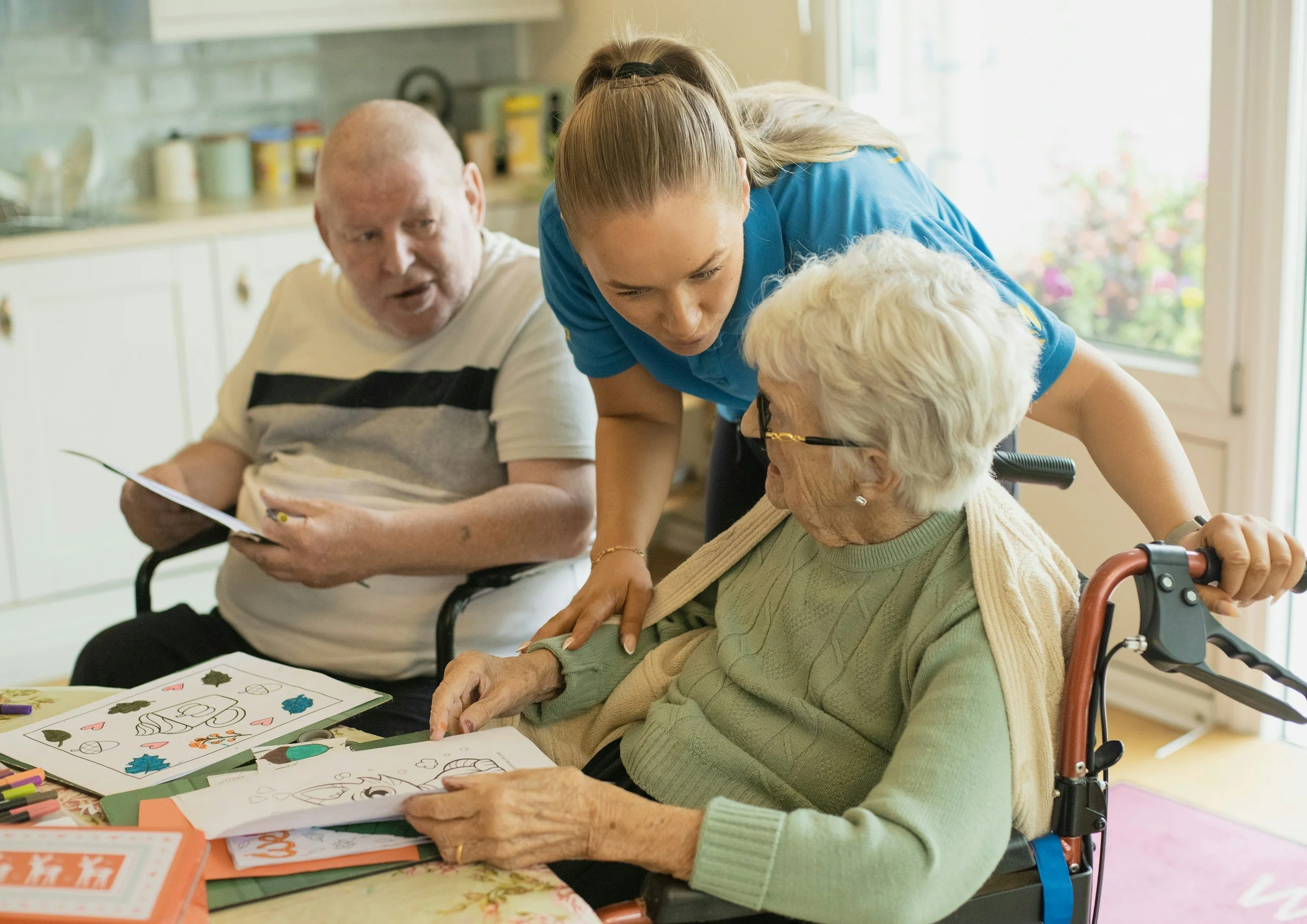
If you are navigating the complexities of daily life following a health diagnosis, you may have heard the term Occupational Therapist. But what exactly do they do? An Occupational Therapist (or OT) is a healthcare professional focused on helping individuals maintain or improve the skills needed for the "occupations" of daily life. In this context, an occupation is any activity that is meaningful to you—from dressing yourself to returning to the workforce.
Note: While 330 Wellness has an OT on our team to provide expert guidance, it is important to know that the wellness services provided here are not medical treatments. Our programs should in no way replace seeing a physician or a clinical Occupational Therapist if medically required.
The Role of an Occupational Therapist in Healthcare
An Occupational Therapist uses evidence-based interventions to bridge the gap between physical limitations and functional independence. Unlike physical therapy, which often focuses strictly on movement, an OT looks at the holistic picture: your physical abilities, your environment, and the specific tasks you need to perform.
According to the American Occupational Therapy Association (AOTA), OT services are vital for people of all ages to participate in the things they want and need to do. Whether you are managing a neurological condition or recovering from a hand injury, an OT ensures your plan supports your independence safely.
Decoding Complex Health Backgrounds
The true expertise of an Occupational Therapist lies in their ability to interpret complex health backgrounds. Many clients present with "comorbidities"—where multiple health issues, such as arthritis and cognitive fatigue, exist at once.
An OT analyzes these overlapping factors to ensure your environment is set up for success. They understand how a chronic condition requires "energy conservation" techniques, allowing them to adapt your programming in real-time so you achieve functional progress without burnout.
How an OT Creates Your Custom Wellness Plan
Your journey with an Occupational Therapist begins with a thorough assessment to create a program that is safe and effective. This often involves a multi-pillared approach:
Clinical Assessment: Evaluating cognitive function, range of motion, and sensory needs.
Evidence-Based Programming: An OT designs a plan that accounts for your unique response to stress, ensuring the volume of daily tasks is balanced to avoid over-exertion.
Behavioral Coaching: Helping you overcome the mental and environmental barriers to staying independent.
Key Benefits of Working with an Occupational Therapist
Chronic Disease Management: Providing specialized adaptations for conditions like Parkinson's or Multiple Sclerosis.
Injury Rehabilitation: Helping you regain the fine motor skills and strength needed for daily life.
Personalized Strength: They can oversee specialized Personal Training adaptations to ensure those with physical limitations are training safely.
Evidence-Based Results: Every intervention is backed by research to ensure you are regaining independence efficiently.
Movement and Function at 330 Wellness
At 330 Wellness, we believe in the power of clinical knowledge to transform lives. Many of our clients find success by leveraging the insights of our staff to build the confidence needed for daily life.
For more information on the standards of the profession, you can visit the American Occupational Therapy Association (AOTA) website. Utilizing the expertise of highly-credentialied professionals is a proactive step toward long-term independence.
